9 Best Cvent Alternatives For Modern Event Teams

Weekly newsletter
Quick Summary
Cvent is one of the most recognisable enterprise event-management platforms in the world but it’s also frequently described as heavy, complex, slow to operate, and expensive for teams running modern hybrid or high-volume event programs.
If you're here, you're likely exploring:
- A more intuitive, faster-to-set-up event platform
- A more design-flexible solution with modern UX
- A more cost-efficient alternative for recurring events
- A platform that doesn’t require a dedicated event ops admin
This guide breaks down nine of the best Cvent competitors with transparent strengths, trade-offs, and full feature breakdowns based on platform positioning, long-standing user review patterns, and industry reputation.
Shortlist
Why Teams Look for a Cvent Alternative
The team at Lumix have worked in the events industry for over 15 years and our first hand experience working with some of these tools as well as working with global events teams and integrating with their ways of working and the tools they use has informed our opinion here.
We’ve also taken some of the wide spread thoughts and opinions we’ve encountered as well as wider industry opinion to assess why teams look for an alternative to Cvent.
From what we’ve found it usually comes down to the four following reasons:
1. Cvent is powerful but far too heavy for fast-moving teams
We find that common user sentiment here is that there are often too many steps to to execute simple tasks which isn’t helped by the more complex user interface vs some of the other competitors we’ll come to review.
2. Design flexibility is limited and feels outdated
As we know personalisation matters more than ever but the Cvent website builder and event page templates feel a little outdated and limited in terms of flexibility.
3. Costs escalate quickly
You may be here because your finance team has asked you to review costs. The following isn’t unique to Cvent but like a lot of SaaS platforms, you find yourself needing to pay more for the features you really need inside Cvent. For mid-market teams, this cost efficiency can be a big hurdle.
4. Implementation and maintenance burden is high
Cvent often becomes a tool that requires specialist admin ownership rather than something marketers and event managers can run directly.
Whatever the reason you’re here though this guide will break down 9 Cvent competitors to help you find the best alternative.
Why trust us?
We built Lumix after running an events agency and working with global events teams for the last 15 years. We know a lot of the event management process still operates in spreadsheets and the tools we’re about to list. We’ve been there, used them and seen first hand the challenge of people in your position.
"Like many event agencies we were using a suite of tools not purpose built for us. The Lumix platform as streamlines our workflows, massively increasing the efficiency of our team."
1. Lumix
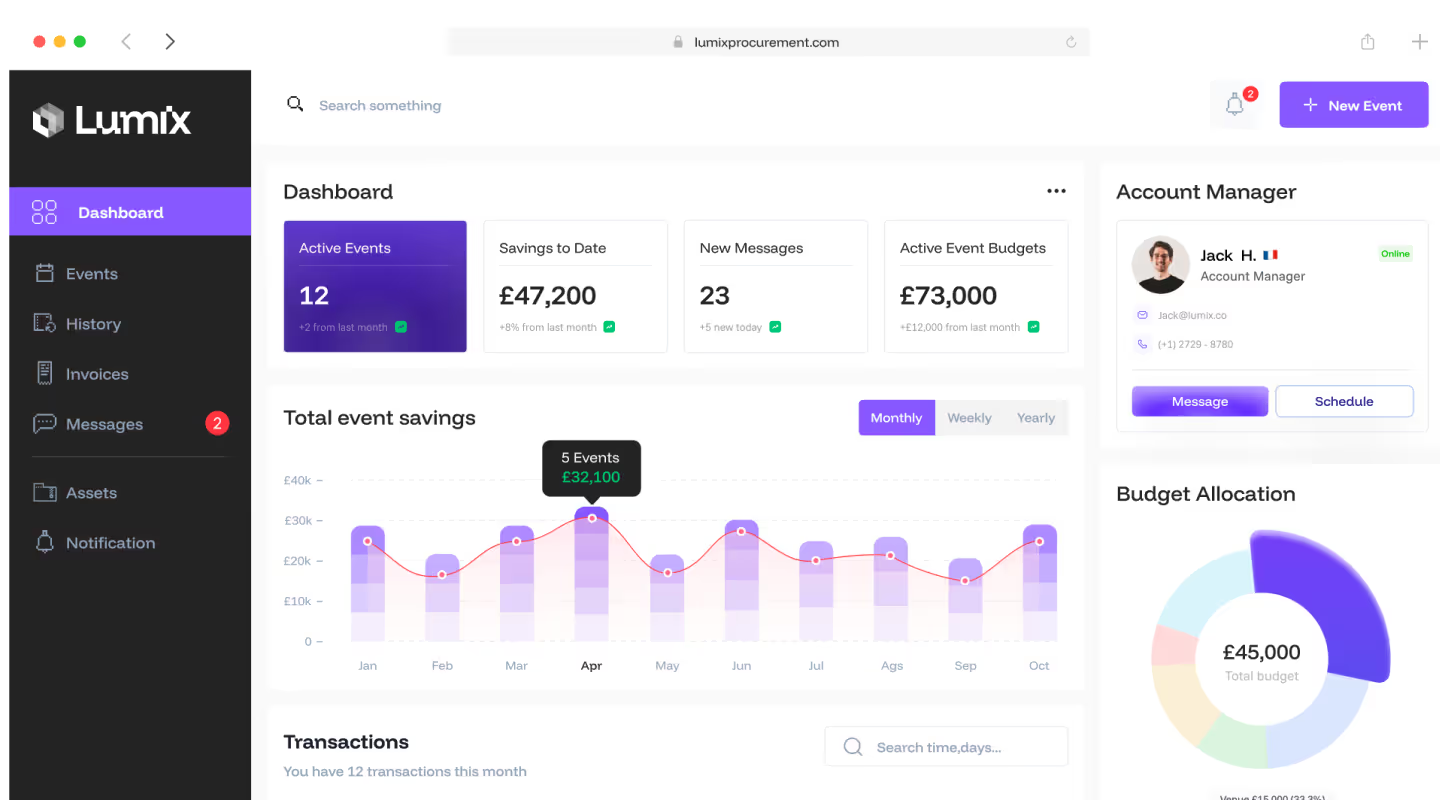
Best For: Teams organising multiple events annually often across different locations where knowledge and understanding of local suppliers across different verticals is required.
Lumix covers the initial part of the event planning process helping teams find, evaluate, book and manage suppliers in one centralised platform. This functionality in Cvent comes through Reposite, a company they acquired back in 2024, so if you need this functionality then you’ll now need a specific tool to achieve this.
Lumix aggregates the spend of their clients to access the best rates from a network of vetted suppliers with a product laid over the top to help event teams brief events, find relevant suppliers, communicate with them directly and manage the contracting and invoicing process in one place.
Strengths
- Centralises the briefing and supplier management process
- Saves teams up to 30% on their supplier costs
- Trust black book of global suppliers
- On site production support if needed
- Free to use, they take a cut of the savings they make you
Trade-offs
- Not an end to end event management system
Key Features
- Brief builder
- Savings tracker
- Receive and compare supplier quotes
- Centralises supplier contracts and payments
- Cost benchmark tool
2. Bizzabo
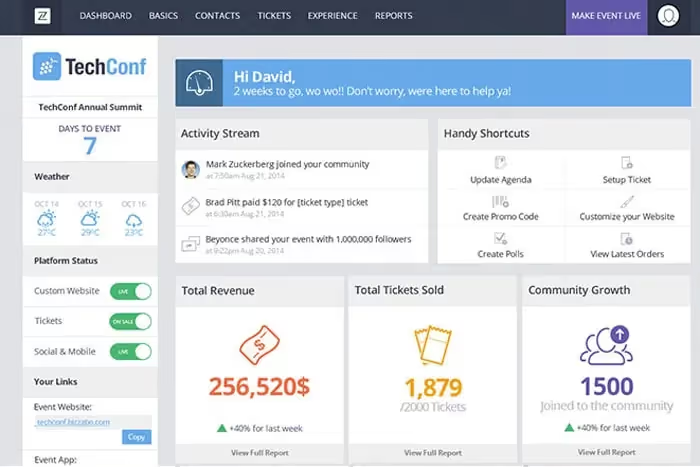
Best For: Large-scale hybrid or in-person event needing sophisticated branding, sponsor activation, and complex agendas. Aimed at enterprise level companies often in tech and professional services.
Bizzabo positions itself as an Event Experience OS, offering a broad suite that spans registration, onsite engagement, sponsor enablement, and virtual events.
Strengths
- Modern event site builder with strong visual flexibility
- Well-developed hybrid + virtual capabilities
- Strong exhibitor + sponsor modules for trade shows
- Popular event app with deep engagement tools
- Customer support often praised
Trade-offs
- Backend can be complex or overwhelming
- Pricing is on the higher end
- Some users report stability issues during large virtual events
- Requires a trained internal admin
- No supplier management features
Key Features
- Registration & ticketing
- Event website builder
- Multi-track agenda
- Sponsor/exhibitor tools
- Mobile event app
- Virtual event environment
- CRM/MAP integrations
- Engagement & analytics reports
3. EventsAir
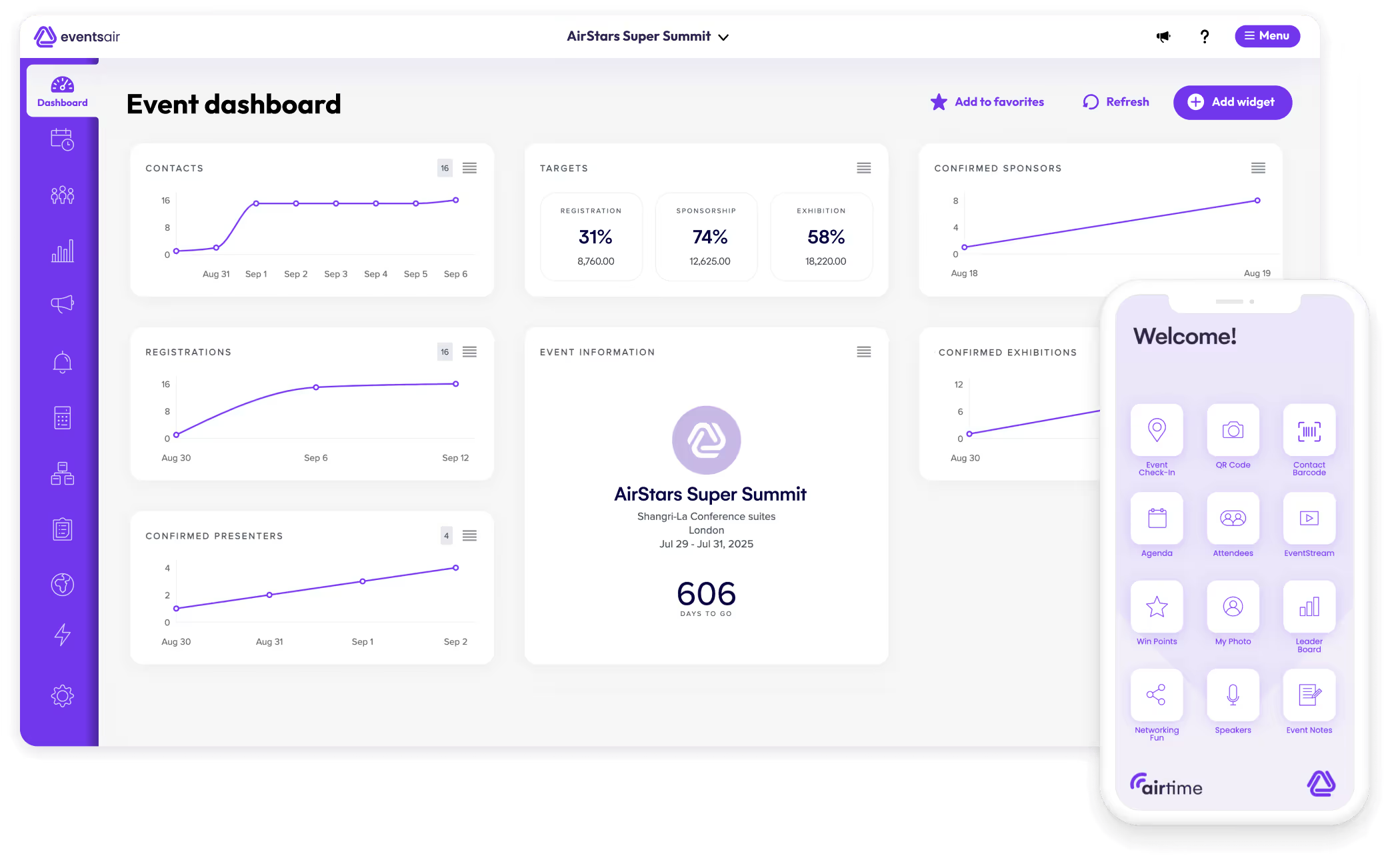
Best For: Much like Bizzabo and Cvent, EventsAir is another end-to-end event event management solution aimed for enterprise teams that use events as a key marketing or service strategy.
EventsAir is built for professional event and conference organisers and teams that need deep administrative workflows, travel coordination, compliance controls, and structured back-office management.
Strengths
- Pre, during and post event management solutions
- Handles travel, accommodation, seating, documentation
- Excellent for multi-day academic, association, or government events
- Strong compliance and security workflows
- Very robust exhibitor/sponsor workflows
Trade-offs
- UI has a steeper learning curve
- Complaints about customer support wait times
- Costs are on the more expensive side
- Some features, especially concerning financial workflows, feel disjointed.
Key Features
- Advanced registration & pricing logic
- Accommodation/travel management
- Exhibitor & sponsor tools
- Abstract & speaker management
- Check-in and onsite hardware integrations
- Event app
- Financials + invoicing
- Compliance workflows
- Reporting
4. Eventtia
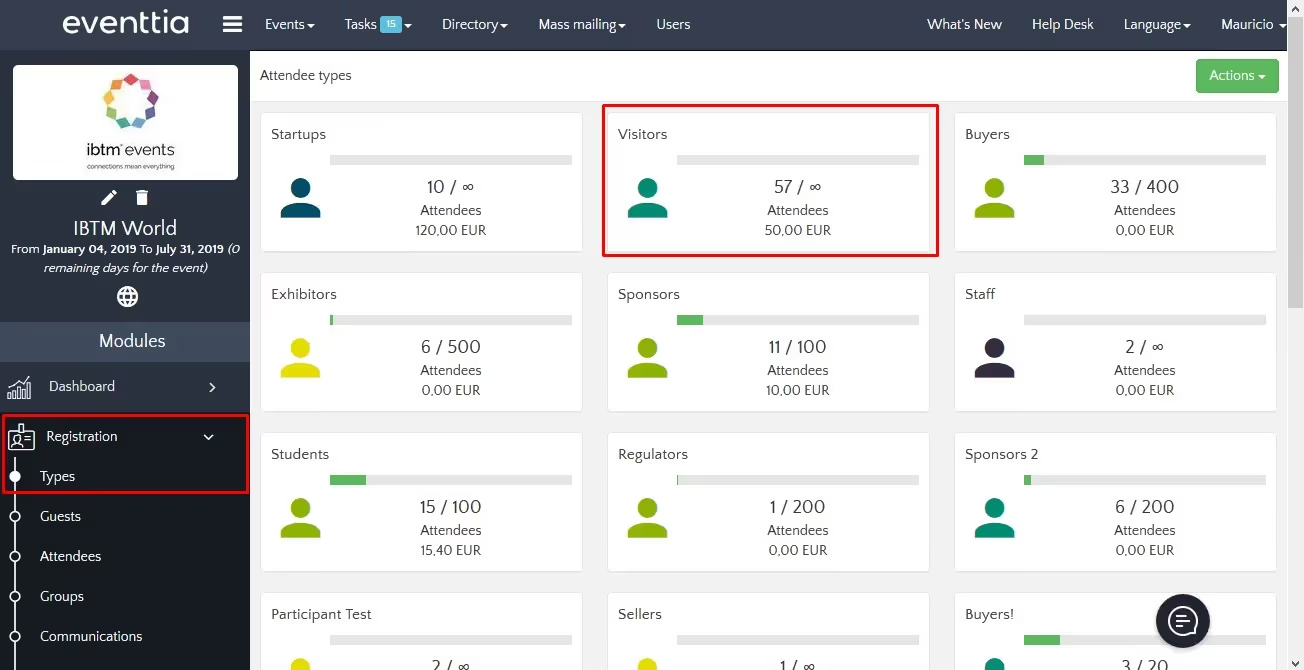
Best For: Global event programs needing multilingual support, operational depth, and balance between modern SaaS and structured logistics.
Eventtia is another end-to-end event management platform widely used across Europe and Latin America for conferences, fairs, and multi-track B2B events. You might consider this platform over others if you have stronger requirements for matchmaking your attendees which is a key features Eventtia have spent a lot of time perfecting. A smaller market share and fewer customers could also be a reason for the often cited good customer service, although we haven’t used this platform ourselves.
Strengths
- Excellent multi-language support across the entire attendee journey
- Strong logistics and back-office tools
- Supports fairs, B2B matchmaking, conferences, and hybrid events
- Good hands-on support from the vendor
- Flexible agenda and session tools
Trade-offs
- UI feels functional, not modern
- Website customisation is limited compared to design-led platforms. HTML knowledge is required to get the most from it.
- Integrations are limited vs other platforms
- Benefits most from a strong “event owner” internally
- No supplier management features
Key Features
- Registration & ticketing
- Agenda + speakers
- Exhibitor/sponsor modules
- 1:1 meeting scheduling
- Event website builder
- Emails & communications
- Event app
- Multi-language
- Analytics
5. Planned
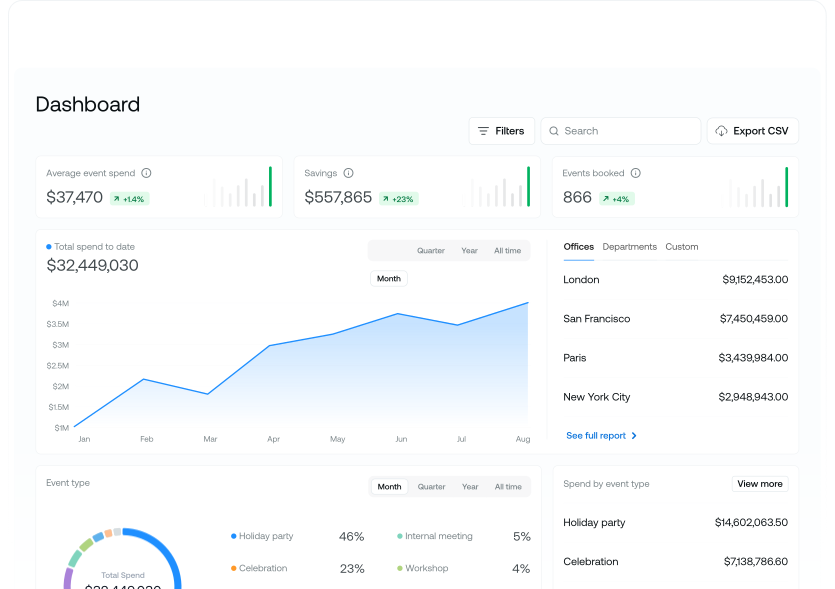
Best For: Companies managing large networks of event vendors, venues, budgets, and approvals often used by operations & procurement.
Like Lumix, Planned is not a traditional event delivery platform, it's a vendor sourcing plus financial control system. But this is a key area overlooked by users in the market for an alternative to Cvent. Cvent acquired Reposite in 2024 knowing that this functionality was missing from their suite of tools. So if you’re used to that functionality in Cvent you’ll likely need to look for a specific tool to manage this.
Strengths
- Access to a marketplace of vetted venues & vendors
- Centralised budgeting & approvals
- Reduces rogue or uncontrolled event spend
- Clear value for multi-region organisations
- Great for procurement alignment
Trade-offs
- Does not include registration, agenda, or attendee experience
- Typically used alongside another event platform
- Adoption can require internal behavioral change
- Best suited where vendor complexity is the actual problem
Key Features
- Vendor marketplace
- RFP management
- Contract storage
- Budget tracking
- Finance approvals
- Team collaboration
- Integrations (procurement/finance systems)
6. Stova (Aventri + MeetingPlay)
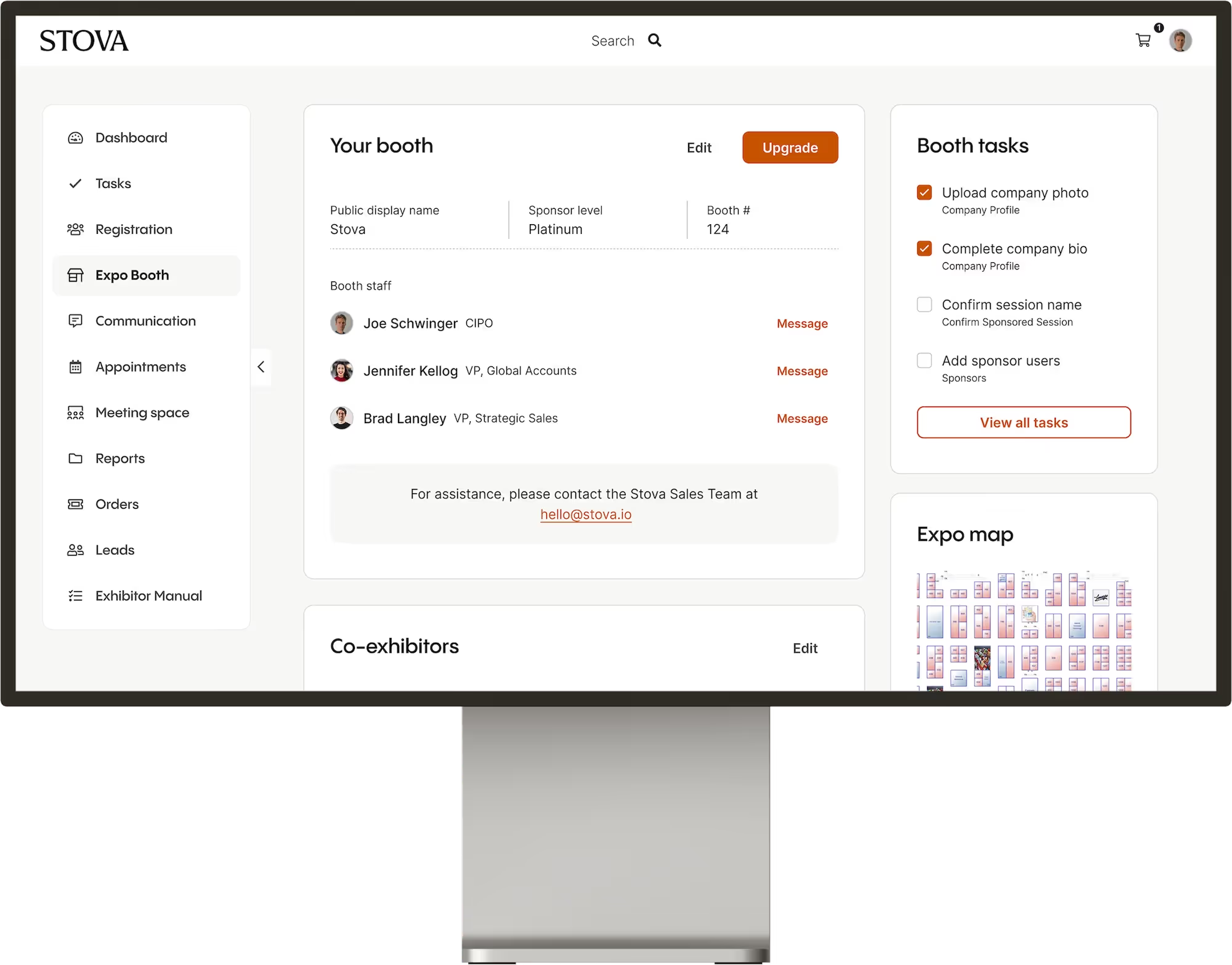
Best For: Large enterprise events requiring onsite hardware, badge printing, RFID scanning, and complex configurations.
Stova represents a consolidation of several enterprise-grade event products, offering extremely broad functionality but its differentiator from the competition is the capability it offers with its on-site features. The platform also markets a stronger security compliance
Strengths
- Enterprise-grade onsite tech (RFID, kiosks, badge printers)
- Highly configurable backend
- Strong session tracking plus CE credits
- Solid virtual/hybrid environment
- Deep integrations with enterprise IT systems
- SOC 2 security compliance
Trade-offs
- Platform can feel disjointed due to mergers
- Implementation is heavy - similar to Cvent
- Requires trained specialists
- Pricing is enterprise-only
- Overkill for mid-size or high-frequency events
Key Features
- Registration + websites
- Virtual events
- Mobile apps
- RFID & onsite hardware
- Session scanning
- Exhibitor/sponsor tools
- CRM/MAP integrations
- Enterprise reporting
7. Whova
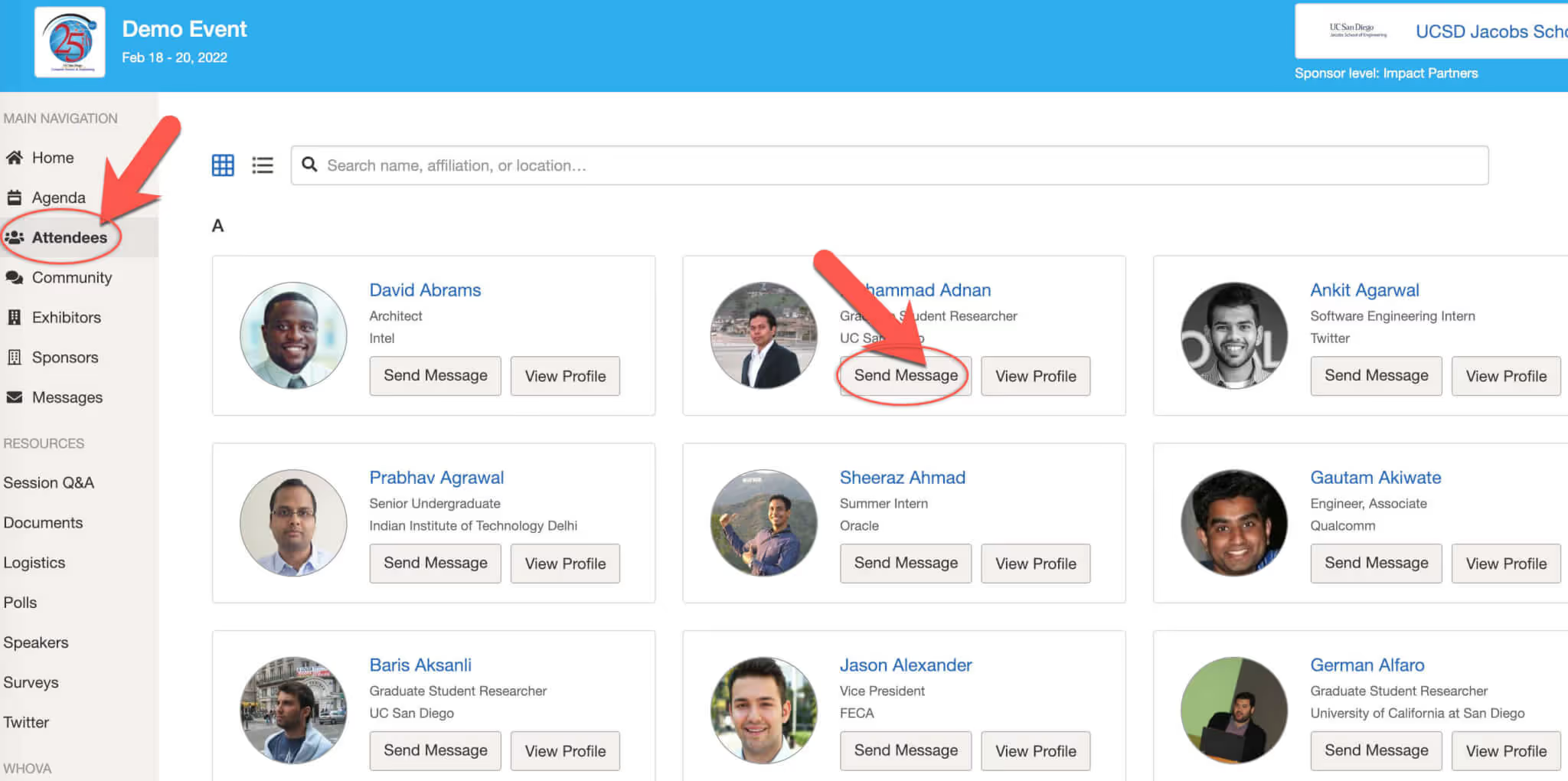
Best For: Conferences focused on attendee engagement, networking, and sponsor visibility especially associations & academic events.
Whova is known for its high-engagement mobile event app and community features and is the first of the end-to-end event management tools we’ve featured that is aimed more at the mid-size or smaller event team. Whilst offering similar features to the other platforms mentioned so far the level of depth and flexibility doesn’t quite match Cvent, but the advantage is that the learning curve is easier and ongoing input and maintenance is far lower.
Strengths
- Excellent mobile app engagement
- Strong networking (messaging, profiles, community boards)
- Easy for organisers without technical expertise
- Great sponsor visibility
- Affordable
Trade-offs
- Website design & registration tools are basic
- Limited branding flexibility
- UI feels older
- Not suited for complex workflows
- Works best as a mobile-first companion
Key Features
- Event app
- Agenda + speakers
- Attendee messaging
- Community spaces
- Lead capture for exhibitors
- Surveys, Q&A, polls
- Basic registration
- Engagement analytics
8. Eventee
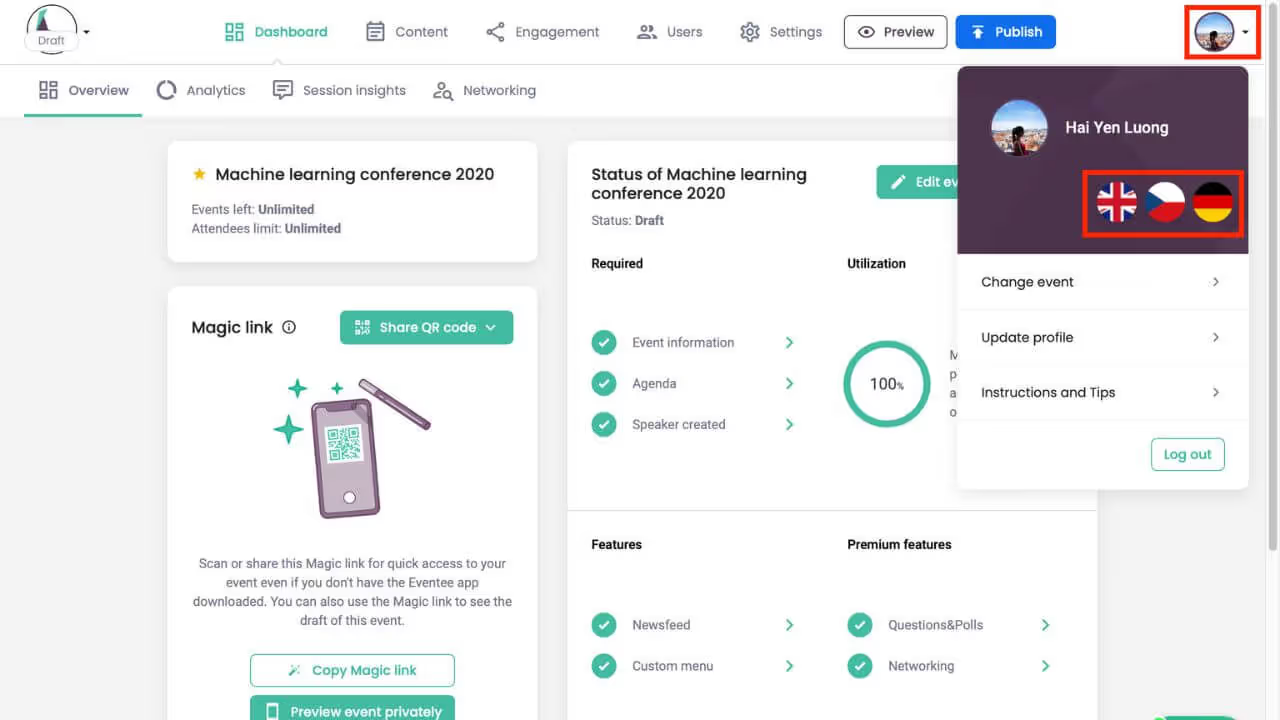
Best For: Teams wanting a simple, clean mobile event experience for internal events, SMB conferences, or community programs.
Eventee is lightweight, modern, and extremely easy to use. Like Whova, they pride themselves on being easier to set up and use than the likes of Bizzabo or Swoogo. The price point is also more accessible so this option may be better suited for you if your events calendar and complexity isn’t too vast. Let’s take a look at some of the strengths and features though:
Strengths
- Very intuitive for organisers
- Modern, minimal event app design
- Affordable and clear pricing
- Fast setup
- Great for internal events, HR, or small conferences
Trade-offs
- Not built for large, complex events
- Limited registration logic
- Exhibitor features are minimal
- Not a full enterprise suite
Key Features
- Event mobile app
- Agenda
- Speaker profiles
- Live Q&A, polls
- Basic registration
- Push notifications
- Analytics
9. Swoogo
Best For: High-volume event teams that want maximum configuration flexibility and self-service power without enterprise heaviness.
At this point in our summary you’ve probably realised there isn’t really much that differentiates a lot of the event management platforms we’ve mentioned so we’re picking some of the more stand out reasons that people in the market opt for Swoogo. Vs other tools there is more flexibility with your event pages and registration forms and may lean more in the favour of marketing teams vs event teams for this reason as well as some of the email workflow capabilities and integrations included.
Strengths
- Extremely flexible registration builder
- Strong template & cloning workflows
- Deep integrations with CRMs & MAPs
- Self-service friendly
- Predictable and clearer pricing
- Scales well for teams running many events
Trade-offs
- UI is utilitarian
- Event website customisation requires more manual effort
- No native virtual venue
- Benefits from having a “power user”
Key Features
- Advanced registration logic
- Event websites
- Agenda + speakers
- Communications
- Sponsor tools
- Check-in
- CRM/MAP integrations
- Reporting & attribution data
- Templating system
Which Cvent Alternative Is Best for You?
The reality is that Cvent are probably the most comprehensive event management tool on the market so any move away from it will include some trade offs to find what you’re looking for.
The event management software landscape is also a competitive space. The 9 platforms we’ve just talked about include some of the most well known alternatives but the list could be 50 long if we wanted it to be.
This list of 9 alternatives cover two key aspects of event management:
- The planning, sourcing and contracting of suppliers
- The event set up and management of marketing and attendees
-
In Cvent this process could be managed entirely thanks to the inclusion of Reposite within the Cvent platform since its acquisition in 2024 but for users moving away you’ll need to cover this in two platforms now since there isn’t another platform that replicates this.
Our suggestion would be to combine Lumix/Planned with one of the other 7 tools that are more dedicated to processes after suppliers and vendors have been sourced. Whova and Eventee stand out as the more mid-market solutions vs Bizaboo and EvensAir as the more enterprise-grade option.
You can get started for free with Lumix here
Lumix Blogs
Get the indise scoop: the latest tips, tricks, & product updates
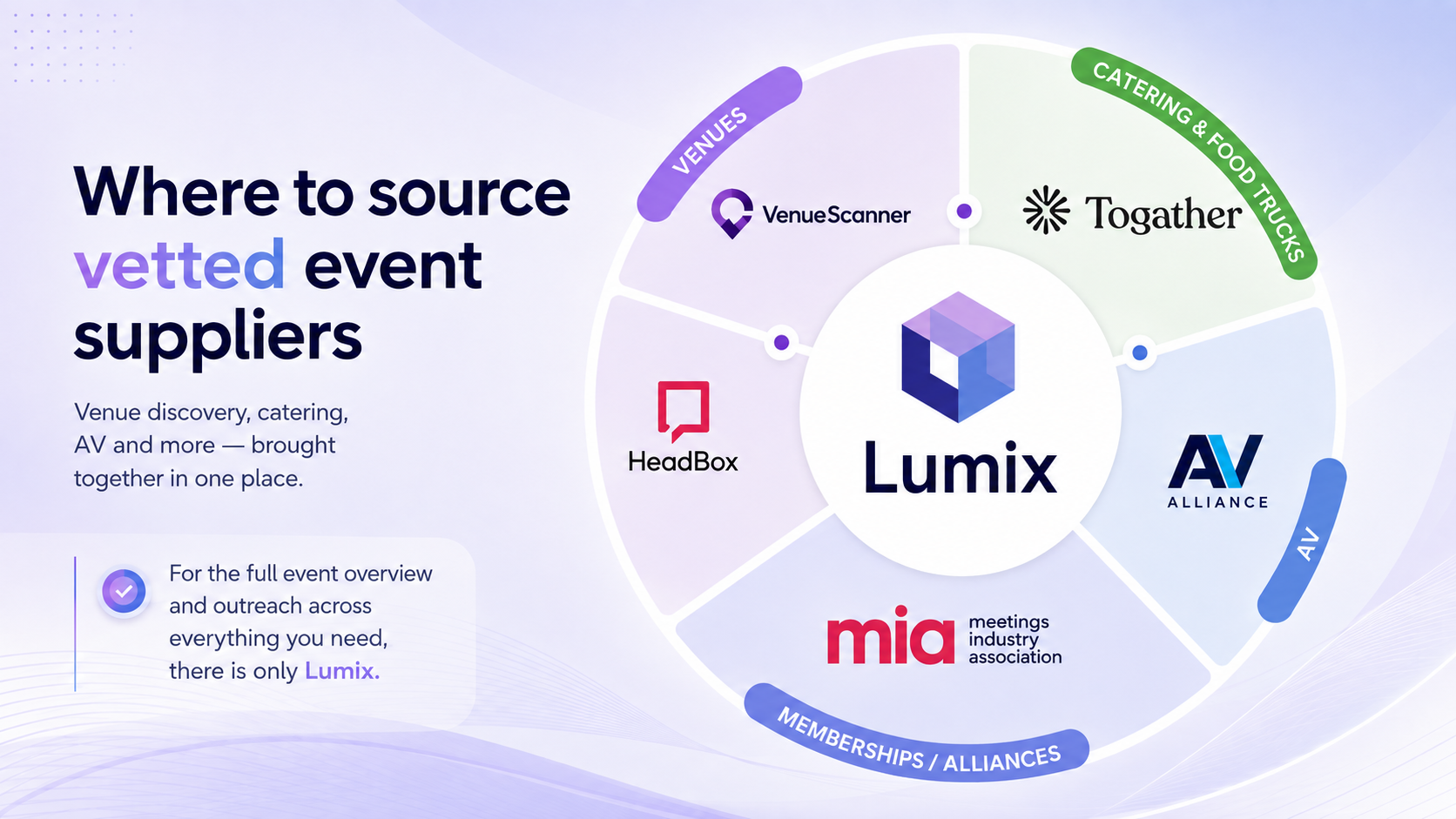
How to Choose a Vetted Event Supplier Network in 2026
Corporate event procurement in the UK increasingly runs through vetted vendor networks and specialist marketplaces rather than cold outreach, but the right choice depends on how many categories a brief actually spans.
Cvent vs Vetted Event Supplier Networks: A Procurement Comparison for UK Teams
Choosing between broad event supplier platforms and vetted networks shapes how much risk and cost control a procurement team actually has once a brief goes out.
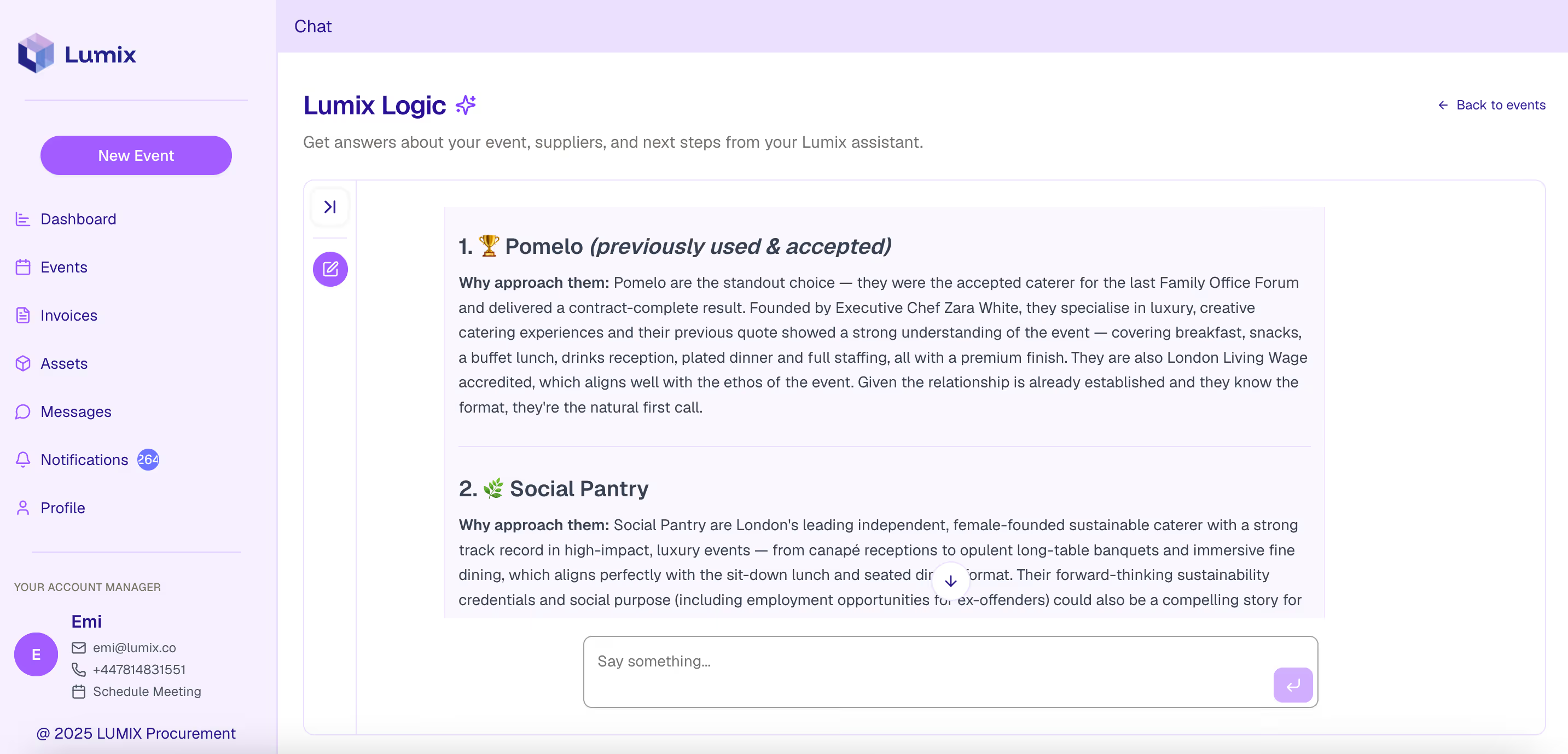
Lumix Logic: The AI Agent That Changes Everything About Event Planning
Lumix Logic is live. Here's why it's the biggest shift in event planning technology in years — and what it means for your team.
Frequently Asked Question
Have another question? Please contact our team!
Yes. The platform provides side-by-side quote comparisons that show what’s included (and what isn’t) in each proposal. You’ll see cost breakdowns, supplier notes, and Lumix’s benchmarked pricing insights all designed to help you make confident, data-driven decisions.
Yes. You can upload and store your existing brief templates, or use Lumix’s AI-assisted builder to generate new ones. The platform also learns from your past events, so future briefs can be created faster with pre-filled details and preferred suppliers.
Absolutely. Lumix is built for flexibility. You can update or amend briefs at any time through quote revisions. When you make changes, suppliers are automatically notified and can adjust their quotes accordingly, keeping everything transparent and version-controlled.
A Lumix-vetted supplier has been verified for legal identity, financial health, insurance, certifications, and recent performance. We don’t just check paperwork once — we continuously monitor suppliers’ live performance on the platform to ensure they meet professional, safety, and compliance standards.
Our vetting process happens in three levels: Verified: Baseline identity and compliance checks, legal registration, sanctions screening, insurance, and minimum financial health scores. Certified: Category-specific evidence such as food-hygiene, rigging, or data-security certifications, depending on the supplier’s role. Audited: For high-value or critical suppliers, we add deeper due diligence including third-party audits, ESG assessment, and verified delivery KPIs on Lumix.
Yes. We align our vetting standards with leading UK and global frameworks such as Achilles, Hellios FSQS/JOSCAR, Avetta, SafeContractor, and EcoVadis. Where appropriate, Lumix integrates or recognises these certifications within our supplier profiles to avoid duplicate checks.